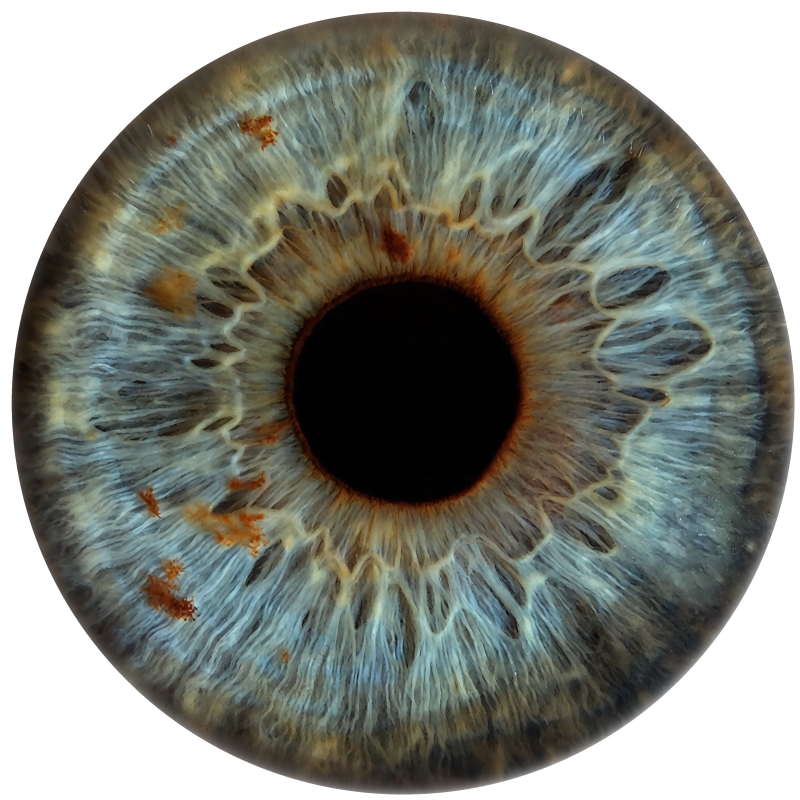
How to Take Professional Iris Photos
Capturing a beautiful iris image is only half the job. The quality of the raw photograph directly impacts the time required in post-processing, the consistency of the final artwork, and the overall customer experience.
Whether you operate an iris photography studio, a retail kiosk, or provide custom iris artwork, following a consistent capture workflow can significantly reduce editing time while improving image quality.
In this guide, we’ll cover the techniques professional iris photographers use to produce clean, detailed images that are ready for efficient post-processing and enhancement.
Why Capture Quality Matters
Many photographers focus primarily on achieving a visually impressive image. However, from a production perspective, the goal should be consistency.
A technically clean iris image offers several advantages:
- Faster post-processing
- Reduced manual reflection removal
- More accurate color reproduction
- Improved automation opportunities
- Consistent results across large volumes of images
Even the most advanced editing workflow performs best when the source image contains maximum iris detail and minimal distractions.
Use Dedicated Macro Equipment
Professional iris photography requires sufficient magnification to reveal the intricate structures within the iris.
A typical setup includes:
- DSLR or mirrorless camera
- 90–105mm macro lens
- Stable tripod or fixed mounting system
- Controlled lighting setup
- Remote trigger or tethered capture system
The objective is to capture the maximum amount of iris texture while maintaining edge-to-edge sharpness.
Consistency in equipment and camera position is often more important than using the latest camera body.
Control Reflections Before They Reach Post-Processing
Reflections are among the most common challenges in iris photography.
While modern software can remove many reflections automatically, preventing them during capture will always produce superior results.
Best Practices
- Use diffused light sources whenever possible
- Avoid direct frontal illumination
- Position lights symmetrically
- Minimize environmental reflections
- Control reflective surfaces around the shooting area
Small adjustments in light positioning can dramatically reduce cleanup requirements later.
Standardize Subject Positioning
One of the biggest causes of inconsistent results is subject movement.
Professional operators often use positioning aids to ensure repeatability:
- Adjustable chin rests
- Forehead supports
- Fixed camera-to-subject distances
- Visual fixation targets
The more consistent the positioning, the easier it becomes to create a repeatable editing workflow.
Optimize Camera Settings for Iris Detail
While settings vary depending on equipment, most professional workflows prioritize:
Aperture
Typically between f/8 and f/11 to maximize iris sharpness.
ISO
Keep ISO as low as practical to preserve fine iris textures.
Shutter Speed
Fast enough to eliminate motion blur caused by natural eye movement.
Focus
Manual focus generally provides the most reliable results for critical iris detail.
The iris fibers should always be the sharpest element in the frame.
Prioritize Clean Source Images Over Aggressive Editing
A common mistake among newer operators is relying on extensive post-processing to compensate for capture issues.
Problems such as:
- Motion blur
- Missed focus
- Severe reflections
- Underexposure
- Excessive noise
cannot be fully corrected later.
Investing additional attention during capture almost always saves time during production.
Build a Repeatable Workflow
The most successful iris photography businesses are built on repeatability.
Document and standardize:
- Camera settings
- Lighting positions
- Subject placement
- Capture distance
- File naming conventions
- Export settings
A documented workflow improves efficiency, simplifies training, and produces more predictable results.
Preparing Images for Automated Cleanup
Modern editing tools can dramatically reduce production time when images are captured correctly.
For best results, source images should have:
- High resolution
- Accurate focus
- Controlled reflections
- Balanced exposure
- Natural color rendering
These characteristics allow automated enhancement systems to perform at their highest level while minimizing manual intervention.
How Iricasso Fits Into a Professional Workflow
Iricasso was designed specifically to help professional iris photographers reduce the time spent on repetitive editing tasks.
By automating common cleanup operations such as reflection removal and image enhancement, photographers can focus on customer acquisition, production, and artwork creation rather than manual retouching.
The cleaner the source image, the more efficient the workflow becomes.
Conclusion
Professional iris photography is ultimately a process of consistency. High-quality equipment, controlled lighting, standardized positioning, and accurate focus create images that require less editing and deliver superior final results.
By combining disciplined capture techniques with modern post-processing automation, studios can increase throughput, reduce production time, and maintain exceptional image quality at scale.
No responses yet